
ISO 7010 Warning Signs: Complete W-Series Guide
Yellow triangle warning sign pictograms with OSHA references and placement guidance
Last updated: July 14, 2026
Overview
The ISO 7010 W-series defines standardized warning signs used to alert people to specific hazards in the workplace. Each sign uses a yellow triangle with a black border and black pictogram, a format recognized internationally as a hazard warning. For the full ISO 7010 standard covering all sign categories (prohibition, warning, mandatory, emergency, and fire equipment), see our complete ISO 7010 safety signs guide.
OSHA 29 CFR 1910.145 requires employers to post signs that identify workplace hazards. ISO 7010 warning signs satisfy this requirement and are accepted by most authorities having jurisdiction (AHJs). Facilities with multilingual workforces benefit from pictogram-based signs that communicate hazards without relying on English text.
This guide covers 12 of the most relevant W-series warning signs for US workplaces, maps each to the OSHA standard that drives the requirement, and helps you determine which signs your facility needs.
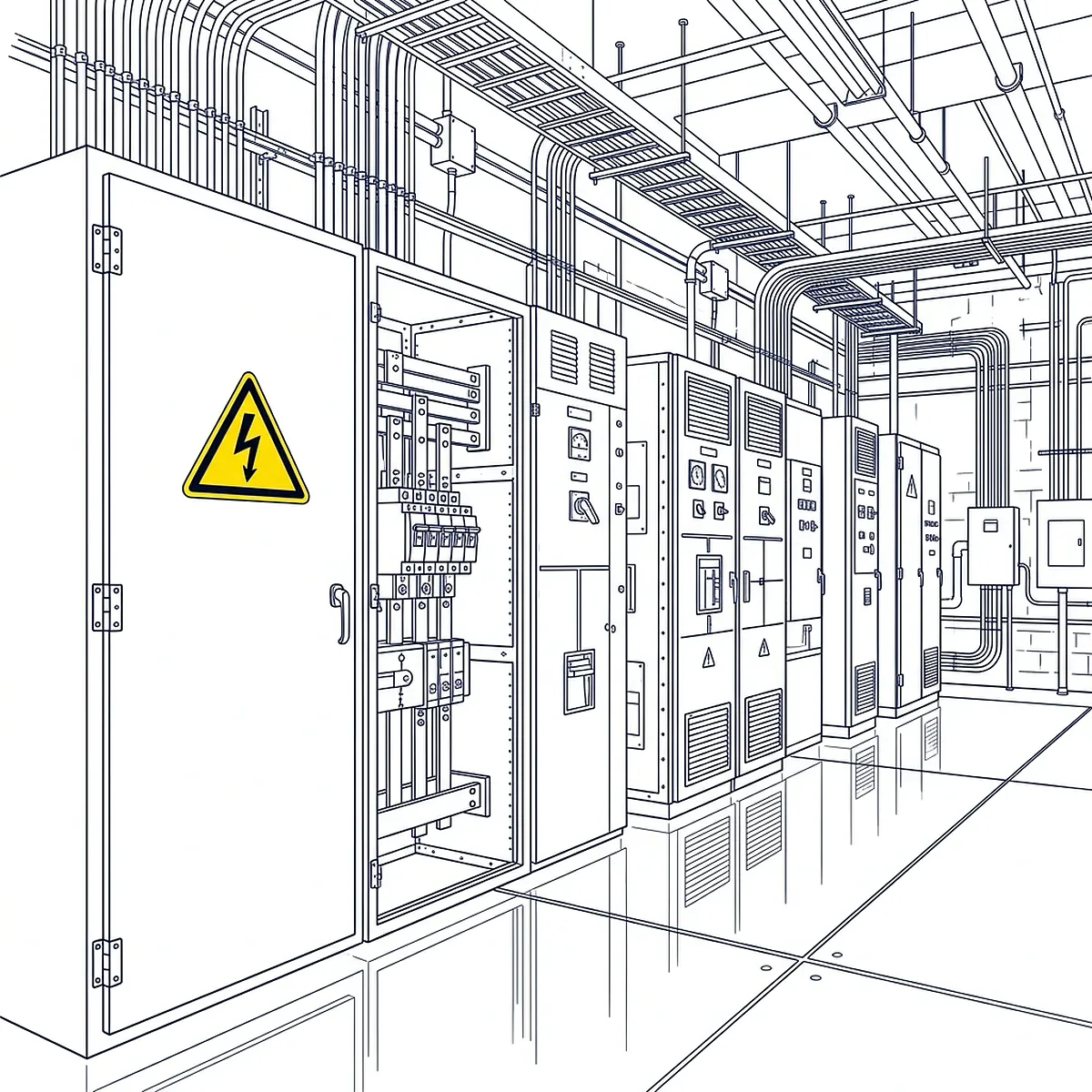
ISO 7010 W-Series Warning Signs
The W-series warning signs most commonly required in US workplaces. Every sign uses a yellow equilateral triangle with a black border and black pictogram.
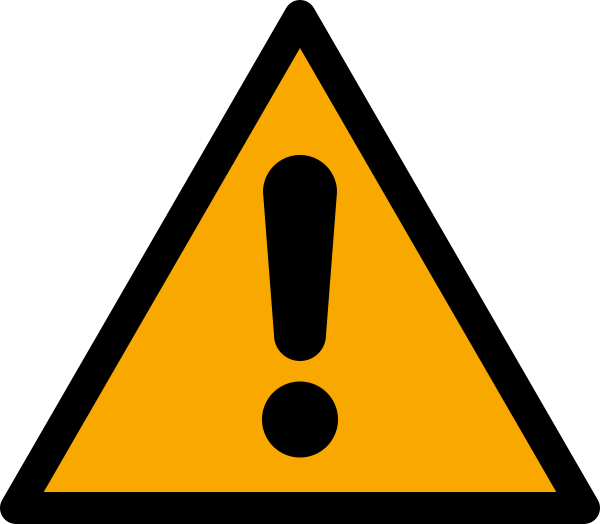
W001: General warning
Entrances to any hazardous area where no specific hazard sign applies
OSHA 29 CFR 1910.145 (danger/warning signs)
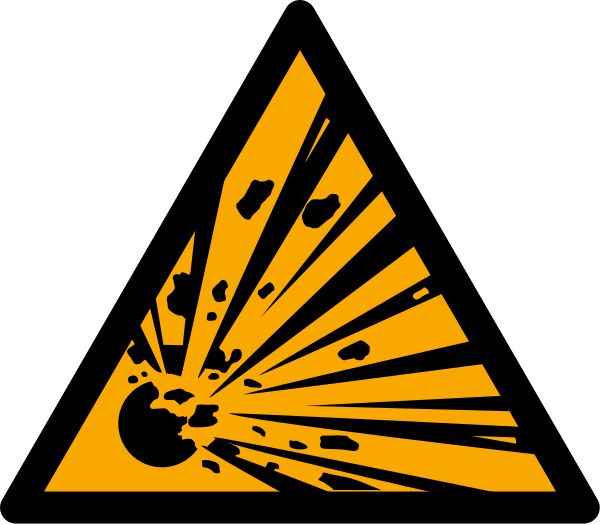
W002: Explosive material
Near explosive storage, blasting zones, ammunition areas
OSHA 29 CFR 1910.109 (explosives and blasting agents)
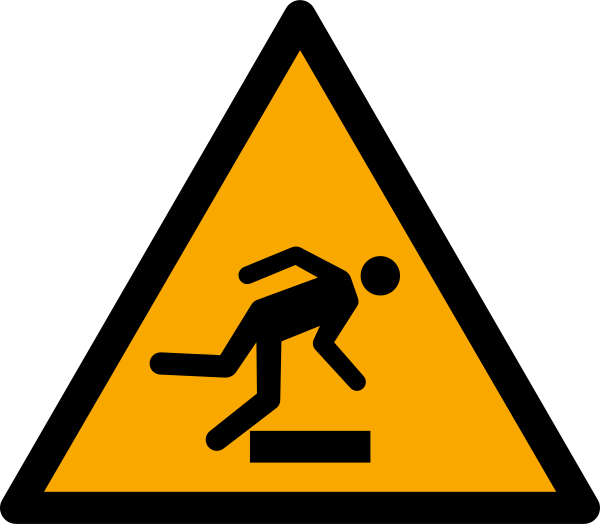
W007: Floor-level obstacle
Areas with uneven floors, raised thresholds, steps, or ground-level obstacles
OSHA 29 CFR 1910.22 (walking-working surfaces)
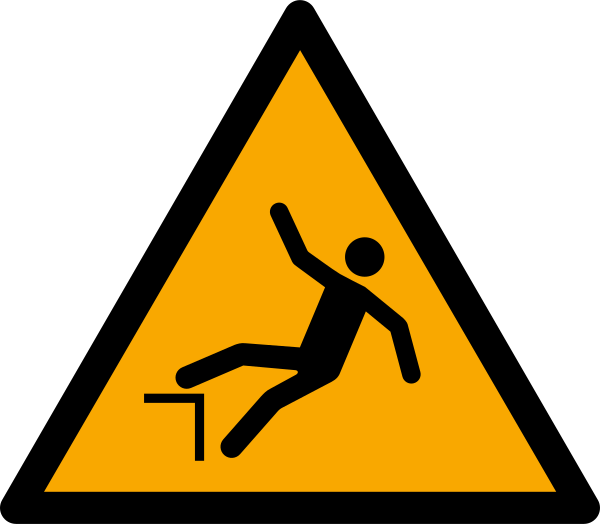
W008: Drop or fall hazard
Edges of elevated platforms, open floor holes, loading docks, roof access
OSHA 29 CFR 1926.501 (fall protection), 1910.28 (duty to have fall protection)
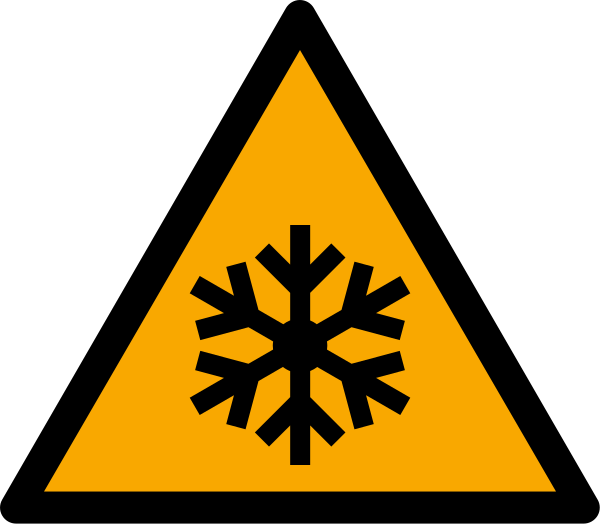
W010: Low temperature / freezing conditions
Cold storage, freezer rooms, cryogenic equipment areas, outdoor work in winter
OSHA 29 CFR 1910.145 (accident prevention signs)
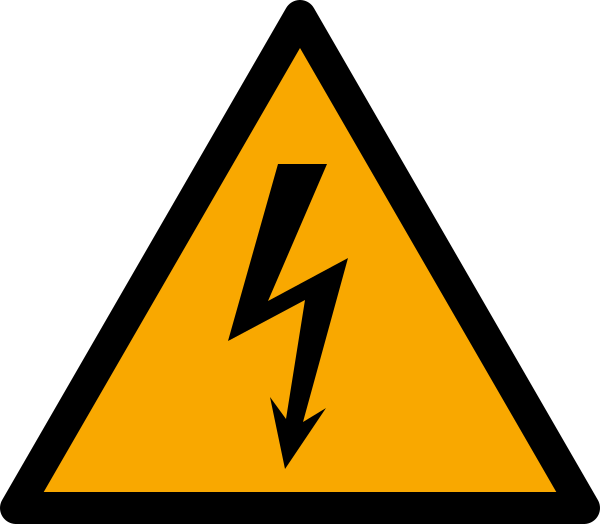
W012: Electricity
Electrical panels, transformer rooms, switchgear, junction boxes
OSHA 29 CFR 1910.303(e) (marking of electrical equipment), NFPA 70E
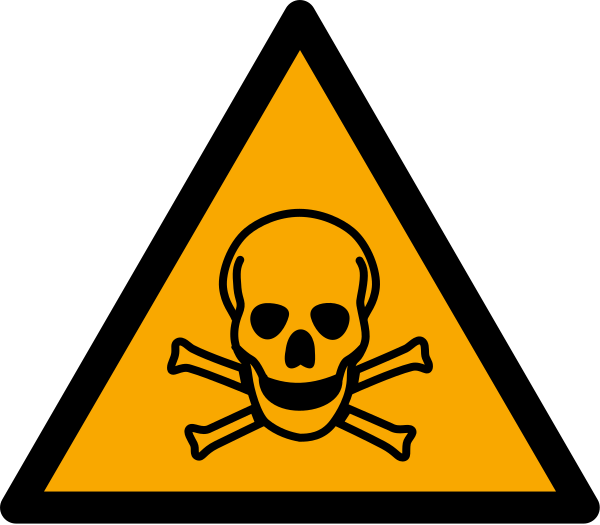
W016: Toxic material
Chemical storage, areas with toxic vapors or substances
OSHA 29 CFR 1910.1200 (hazard communication), GHS labeling
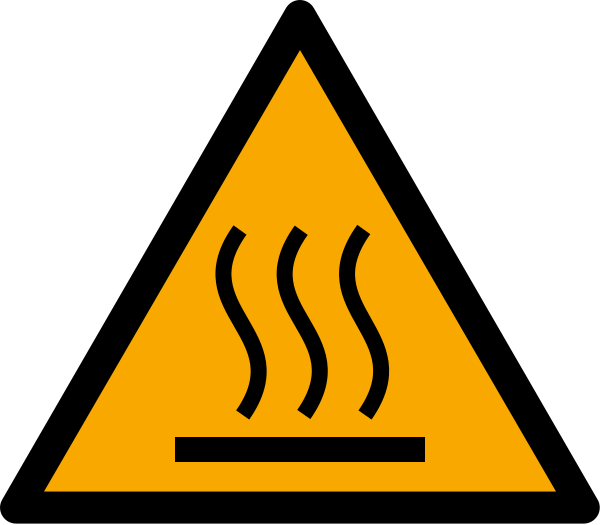
W017: Hot surface
Near ovens, furnaces, steam pipes, hot equipment surfaces
OSHA 29 CFR 1910.145 (specifications for accident prevention signs)
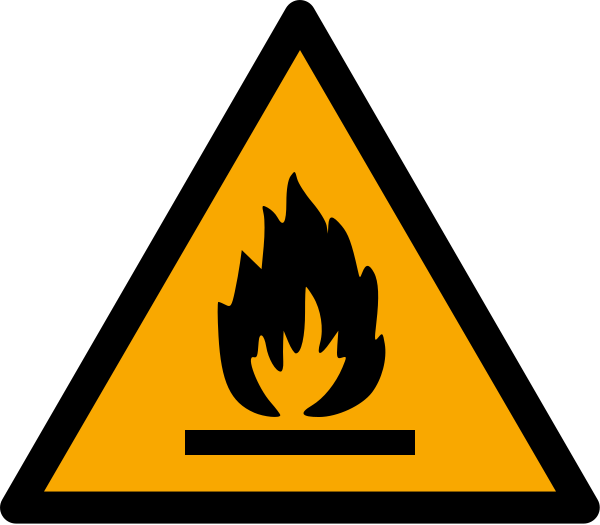
W021: Fire / flammable material
Near flammable liquid storage, paint booths, fuel areas
OSHA 29 CFR 1910.106 (flammable liquids), NFPA 30
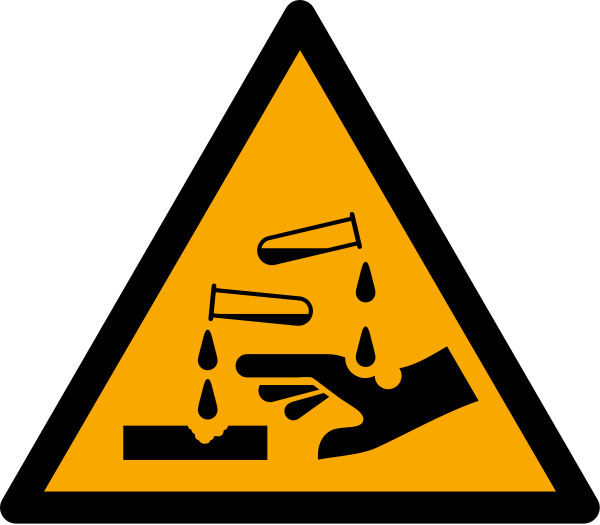
W023: Caustic / corrosive substance
Battery charging stations, acid storage, chemical handling areas
OSHA 29 CFR 1910.1200 (hazard communication)
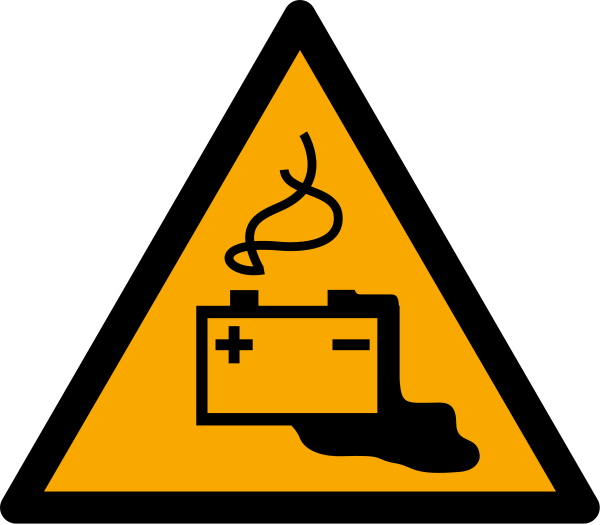
W026: Battery charging
Battery charging stations, battery rooms, UPS equipment areas
OSHA 29 CFR 1910.178(g) (charging batteries for industrial trucks), 1926.441 (batteries)
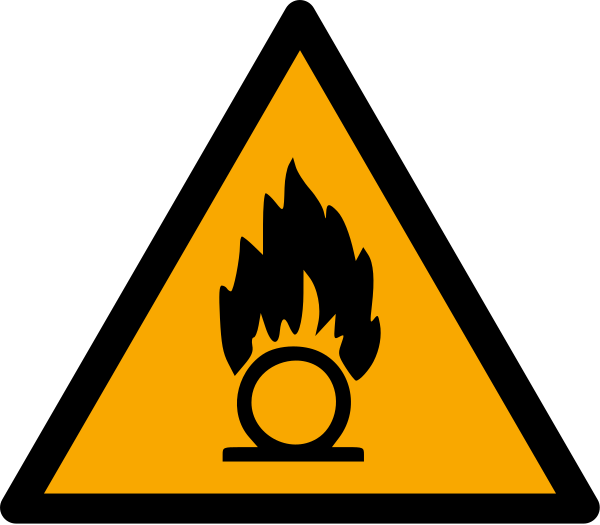
W028: Oxidizing substance
Near oxidizing chemical storage, oxygen systems, pool chemical areas
OSHA 29 CFR 1910.1200 (hazard communication), GHS oxidizer classification
Common Warning Signs in US Workplaces
Five warning signs appear in the majority of commercial and industrial facilities. These cover the hazards most frequently cited in OSHA inspections.
W012: Electricity
The most widely posted warning sign. Required wherever electrical equipment presents a shock or arc flash hazard. OSHA 1910.147 lockout/tagout procedures apply to all servicing and maintenance of machines and equipment where unexpected energization could cause injury. Post W012 on electrical panels, transformer rooms, switchgear enclosures, and junction boxes.
W008: Drop or Fall Hazard
Marks locations where a person could fall from an elevated surface. OSHA 1926.501 requires fall protection at 6 feet in construction, while 1910.28 sets a 4-foot threshold for general industry. Post W008 at platform edges, open floor holes, loading dock drop-offs, and roof access points.
W017: Hot Surface
Warns of surfaces hot enough to cause burns on contact. Common in restaurants, manufacturing plants, and boiler rooms. NFPA 96 governs commercial cooking equipment ventilation, and many of those same cooking surfaces require W017 signage for employee safety. Post near ovens, furnaces, steam pipes, and industrial dryers.
W026: Battery Charging
Marks battery charging stations where hydrogen gas, acid splash, and electrical arc hazards are present. OSHA 29 CFR 1910.178(g) requires ventilation and safety equipment in battery charging areas for powered industrial trucks. Post near forklift battery charging stations, UPS battery rooms, and telecom battery plants.
W021: Fire / Flammable Material
Alerts to areas where flammable liquids, gases, or combustible dust are stored or handled. OSHA 29 CFR 1910.106 covers flammable liquid storage, and fire extinguisher standards govern the suppression equipment that must accompany these storage areas. Post near paint booths, solvent cabinets, fuel dispensing areas, and combustible dust collection systems.
Which ISO 7010 Warning Signs Does Your Facility Need?
This matrix maps the most relevant W-series signs to common facility types. "Required" means an OSHA standard mandates hazard identification for that condition. "Recommended" means the hazard is commonly present but signage is not universally required by code.
| Facility Type | W001 | W007 | W008 | W012 | W016 | W017 | W021 | W023 | W026 | W028 |
|---|---|---|---|---|---|---|---|---|---|---|
| Office Building | Rec | - | - | Req | - | - | - | - | - | - |
| Warehouse / Distribution | Req | Req | Req | Req | - | - | - | - | Rec | - |
| Manufacturing | Req | Req | Rec | Req | Rec | Req | Rec | - | - | - |
| Restaurant / Kitchen | - | - | - | Rec | - | Req | Rec | - | - | - |
| Construction Site | Req | Rec | Req | Req | - | - | - | - | - | - |
| Healthcare / Laboratory | - | - | - | Req | Req | - | - | Req | - | - |
| School / University | Rec | - | - | Req | - | - | - | Rec | - | - |
= Required by code
= Recommended
Sign Materials
ISO 7010 warning signs are available in several substrate options. The right choice depends on the installation environment and durability requirements.
| Material | Best For | Durability | Notes |
|---|---|---|---|
| Self-adhesive vinyl | Indoor, temporary, low-traffic | 1 to 3 years | Lowest cost, easy to apply and replace |
| Rigid PVC | Indoor permanent installations | 5 to 10 years | Lightweight, screw or adhesive mount |
| Aluminum | Outdoor, high-traffic, industrial | 10+ years | Weather-resistant, most durable |
| Photoluminescent | Egress-adjacent, power-failure visibility | 10+ years | Glows in dark per UL 1994, useful in electrical rooms and stairwells |
ISO 7010 vs ANSI Z535 for Warning Signs
Traditional US warning signs follow ANSI Z535 with an orange "WARNING" header and English text describing the hazard. ISO 7010 replaces text with standardized pictograms inside a yellow triangle. Both approaches are accepted by OSHA, and many facilities now use them together: ISO pictograms for universal recognition plus ANSI text for explicit clarity.
For a detailed side-by-side comparison of the two systems across all sign categories, see the ISO 7010 vs ANSI Z535 comparison in our main ISO 7010 guide.
Frequently Asked Questions
What does a yellow triangle safety sign mean?
Warning signs alert you to a specific hazard in the area. The yellow triangle with black border and black pictogram is the international standard shape and color for warnings under ISO 7010. Each sign identifies a different hazard: electricity, fall risk, hot surfaces, toxic materials, and others.
Are ISO 7010 warning signs required in the US?
Not federally mandated, but OSHA 29 CFR 1910.145 requires employers to post signs identifying workplace hazards. ISO 7010 warning signs satisfy this requirement and are accepted by most AHJs. Many facilities adopt them for multilingual workforces.
Where should warning signs be placed?
At or near the point of hazard, visible before a person enters the danger zone. OSHA requires signs to be readable from the maximum approach distance. The ISO 3864-1 formula (h = L / Z) determines minimum sign height based on viewing distance.


Order ISO 7010 Warning Signs
We are expanding our safety signage line to include the full ISO 7010 W-series in multiple materials and sizes. Enter your email to be notified when these signs are available, or to request a quote for your facility.
Was this page helpful?
Your feedback helps us improve our technical resources.