
UL 711: Rating and Fire Testing
Performance testing and rating standards for UL Listed fire extinguishers
Contents
Also needed for compliance
UL 711 covers rating tests. Most facilities also need the standards below for the extinguisher itself, for placement, or for vehicle compliance.
Fire Extinguisher Ratings, Explained
Every UL-listed extinguisher prints its rating on the nameplate as a code like 2-A:10-B:C. Read it left to right: each segment is a fire class the unit passed, and the numbers scale with how much fire it can put out.
| Class | Rating segment | What it tells you |
|---|---|---|
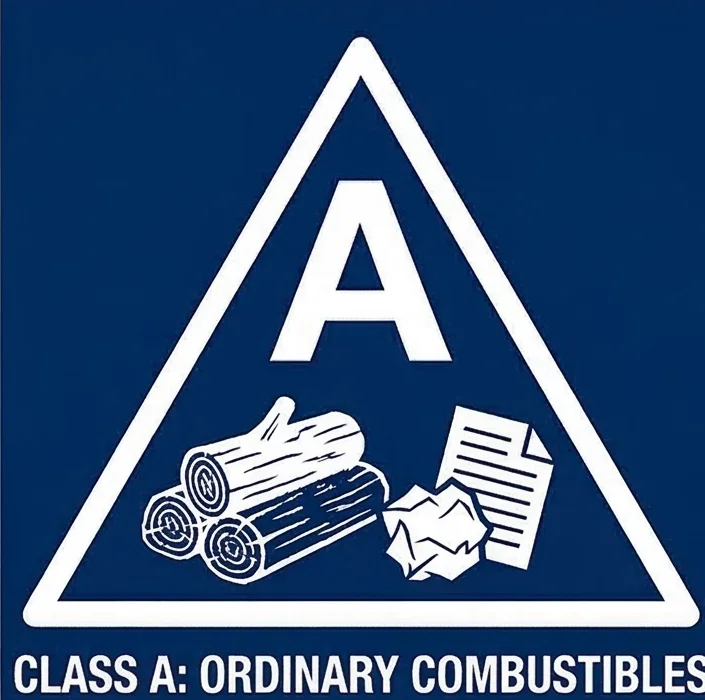 | 2-A | Passed the Class A wood-crib test at the 2-A size, roughly 2½ gallons of water equivalent on ordinary combustibles. Each step up the scale (1-A to 40-A) means more extinguishing capacity. |
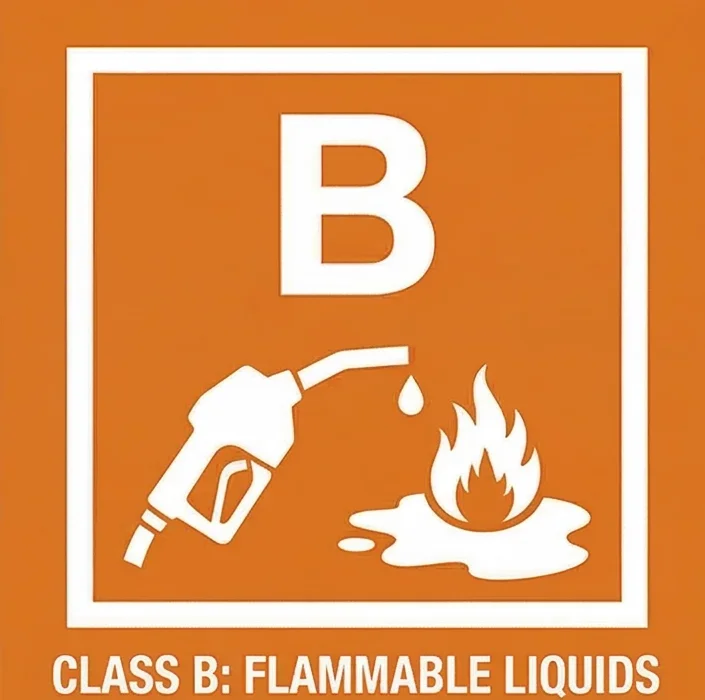 | 10-B | Passed the Class B n-heptane pan test. A non-expert operator should be able to extinguish a 10 sq ft flammable-liquid fire. |
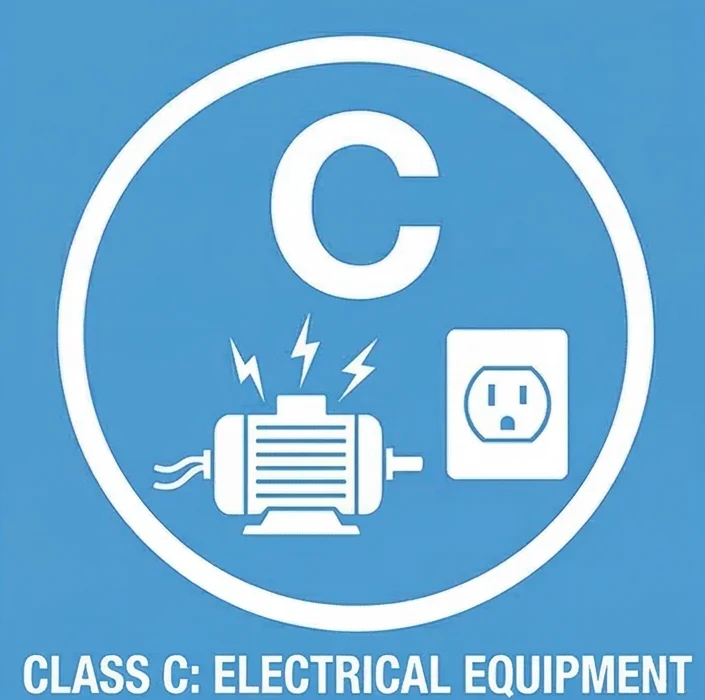 | C | Passed the dielectric test. The agent is non-conductive and safe on energized electrical equipment. No numerical capacity. |
The code follows a predictable pattern across common unit sizes, so you can usually tell what the label will say before you lift the unit off the wall:
| Rating on the label | Typical unit | Where you'll see it |
|---|---|---|
| 1-A:10-B:C | 2.5 lb ABC dry chemical | Vehicle brackets, sized to meet 49 CFR §393.95 for placarded and non-placarded trucks |
| 2-A:10-B:C or 3-A:40-B:C | 5 lb ABC dry chemical | Offices and light commercial, the NFPA 10 light-hazard baseline |
| 4-A:80-B:C | 10 lb ABC dry chemical | Shops, warehouses, and mechanical rooms |
| 10-B:C | 10 lb CO2 | Server rooms, labs, and electronics. CO2 carries no Class A number |
| 10-A:120-B:C | 20 lb ABC dry chemical | High-hazard industrial and fuel-handling areas |
NFPA 10 uses these rating numbers, not the unit weight, to set minimum extinguisher sizes by hazard class and travel distance.
Fire Classifications
UL 711 defines five fire classes (A, B, C, D, K). Each class corresponds to a distinct fuel type and a separate standardized test fire. The rating you see on the extinguisher label — for example, 2-A:10-B:C — is a record of which class fires the unit was tested against and, for Classes A and B, how much fire it can extinguish.
Class A
Ordinary combustibles
Class B
Flammable liquids
Class C
Energized electrical
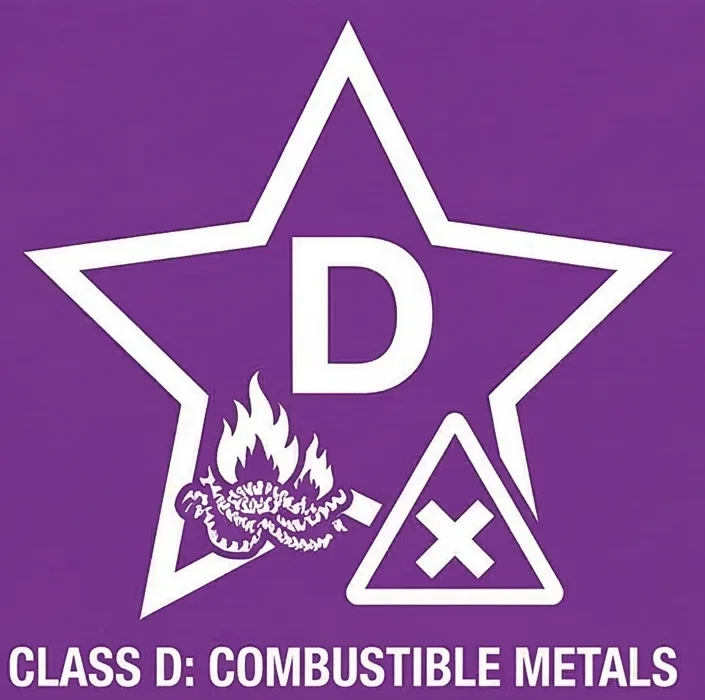
Class D
Combustible metals
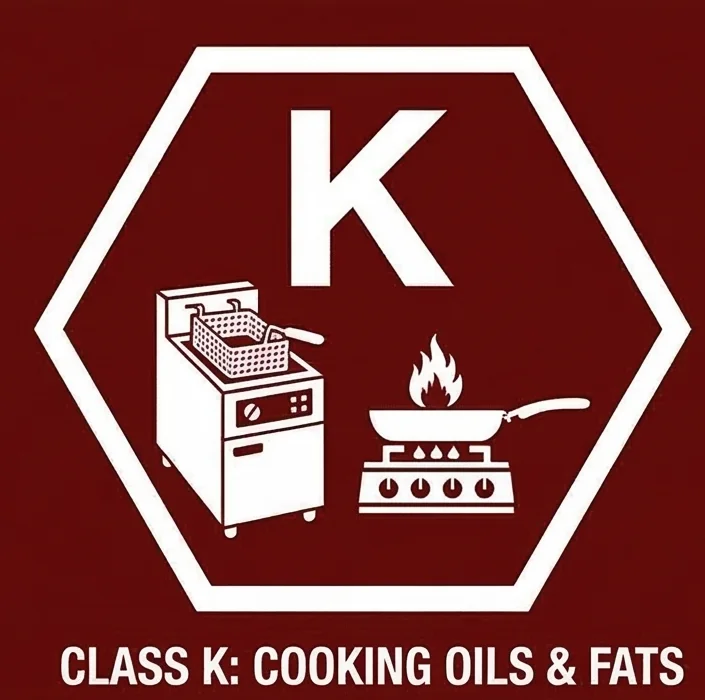
Class K
Cooking oils & fats
Class A — Ordinary Combustibles
What it covers: wood, paper, cloth, textiles, rubber, and ordinary plastics — fuels that leave an ash. This is the default for office, warehouse, and general-purpose protection.
UL 711 test method: standardized wood-crib fires of progressively larger sizes (with supplemental wood-panel and excelsior tests). The cribs are constructed and conditioned to a specified moisture content and pre-burn time so that every laboratory runs the same fire.
What the number means: the Class A rating is a numerical scale tied to extinguishing capacity. A 1-A rating is approximately equivalent to 1¼ gallons of water on a Class A fire; a 2-A roughly equals 2½ gallons; a 4-A roughly 5 gallons. Higher numbers, larger fires, larger units.
Class B — Flammable Liquids and Gases
What it covers: gasoline, diesel, oils, greases, tars, solvents, alcohols, and flammable gases. Common in shops, refueling areas, paint operations, chemical processing, and fleet maintenance.
UL 711 test method: square steel pans of n-heptane (a reference flammable liquid) of specified surface areas. The operator follows a defined attack pattern and must extinguish the fire within a set time window. Multiple operators repeat the test to verify consistency.
What the number means: the Class B rating is roughly the square footage of a flammable-liquid pan fire that a non-expert operator can extinguish with the unit. A 10-B handles a 10 sq ft pan fire; a 40-B, 40 sq ft; a 80-B, 80 sq ft. (The certified test fires laboratories use are sized larger than the consumer rating to account for trained-operator vs. untrained-operator performance.)
Class C — Energized Electrical Equipment
What it covers: energized electrical equipment — motors, switchgear, panels, transformers, wiring, server racks, and any scenario where a water-based agent would expose the user to shock. Once power is removed, the fire becomes a Class A or B event.
UL 711 test method: a dielectric (non-conductivity) test of the discharged agent stream against an energized target. The unit either passes or fails — there is no numerical capacity scale for Class C. A "C" simply confirms the agent will not conduct electricity back to the operator at the rated working distance.
What the rating looks like: just the letter C with no preceding number — e.g., 2-A:10-B:C. The numbers belong to the A and B portions of the rating; the C is pass/fail.
Class D — Combustible Metals
What it covers: combustible metals such as magnesium, sodium, potassium, titanium, lithium, and zirconium. Found in metal-machining shops, die-cast operations, lithium-battery handling, and certain laboratory and aerospace settings.
UL 711 test method: tested against a specific metal fuel — not a generic "Class D" fire. A Class D extinguisher is listed by the metal it has been proven against (magnesium chips, sodium fires, etc.), with corresponding agent and application-rate guidance on the label. Pass/fail certification per fuel.
Warning: a "Class D" extinguisher is not generic — check the label for the specific metals the unit is listed against. Using the wrong agent on a metal fire can intensify the reaction.
Class K — Cooking Oils and Fats
What it covers: vegetable oils, animal fats, and other cooking media in commercial kitchen equipment — deep fryers, woks, tilt skillets, broilers, griddles. The high autoignition temperature and reflash-prone behavior of cooking oils require a wet-chemical agent that saponifies the surface.
UL 711 test method: a saponifiable-cooking-oil pan fire on the UL Class K test appliance, pre-heated to a specified oil temperature. The unit must extinguish the fire and prevent reflash for the observation period. Pass/fail certification.
Where it fits in the kitchen: Class K portables back up the fixed hood-suppression system (typically a wet-chemical system listed to UL 300). NFPA 10 sets the placement and travel-distance rules for the portable Class K unit. The full kitchen-side requirements, sizing, and placard rules are in the Class K fire extinguisher guide.
Overview
UL 711 establishes the rating and fire testing requirements for portable fire extinguishers. This standard determines the fire-extinguishing potential of extinguishers through standardized fire tests, providing the basis for the familiar rating classifications (like 2-A:10-B:C) seen on UL Listed extinguishers.
Terminology note: Technical specifications and building codes may reference "ANSI/UL 711" (the formal designation with ANSI approval), while fire extinguisher labels show "UL Listed" with the rating (e.g., "2-A:10-B:C"). Both refer to the same standard — the ANSI prefix simply confirms national recognition.
The current edition (Edition 8) was published August 6, 2018, and works in conjunction with NFPA 10 for installation requirements.
Rating System
The UL 711 rating system uses numbers and letters to indicate extinguishing capability. Class A and B ratings are numerical — higher numbers mean greater capacity. Class C, D, and K ratings are pass/fail with no numerical scale.
| Class | Rating Format | What the Number Means | Example |
|---|---|---|---|
| A | 1-A to 40-A | Relative extinguishing potential (2-A = 2x capacity of 1-A) | 3-A |
| B | 1-B to 640-B | Square feet of flammable liquid fire | 40-B |
| C | Pass/fail | Safe for energized electrical equipment (no numerical scale) | C |
| D | Metal-specific | Tested on specific combustible metals (no numerical scale) | D |
| K | Pass/fail | Commercial cooking oil and fat fires | K |
Example: A 3-A:40-B:C rated extinguisher can handle Class A fires three times larger than 1-A, Class B fires up to 40 square feet, and is safe for electrical fires. This is the typical rating for a 5 lb ABC dry chemical unit.
UL 711-Rated Fire Extinguishers in Stock
ABC dry chemical extinguishers carry the UL 711 rating on the label (the 2-A:10-B:C, 4-A:80-B:C numbers above). The 5 lb and 10 lb wall-mount sizes cover most warehouse, processing-plant, and loading-dock placements under NFPA 10.

2.5 gal
UL 2-A
Manufacturer: Buckeye
Buckeye 2.5 Gallon Water Fire Extinguisher 2-A
$147.00

2.5 lb
UL 2-B:C
Manufacturer: Buckeye
Buckeye 2.5 lb Halotron Clean Agent Fire Extinguisher
$294.00

5 lb
UL 10-B:C
Manufacturer: Buckeye
Buckeye 5 lb Purple K BC Fire Extinguisher, Wall Mount or Vehicle Bracket
$102.00
Testing Procedures
UL 711 testing simulates real fire scenarios to verify extinguisher performance. Each test type targets a specific aspect of fire suppression capability.
| Test | Description |
|---|---|
| Class A | Wood crib and excelsior fires of varying sizes |
| Class B | Flammable liquid pan fires with specified areas |
| Discharge | Complete discharge time and throw range measurements |
| Operator safety | Heat exposure and visibility during use |
| Re-ignition | Monitoring for fire rekindling after extinguishment |
| Conductivity | Electrical conductivity limits for Class C qualification |
| Consistency | Tests repeated by multiple operators to verify reproducibility |
Performance Requirements
To earn a UL 711 rating, an extinguisher must successfully extinguish test fires within specified parameters and demonstrate consistent results across multiple tests conducted by different operators. Most portable units must maintain a minimum discharge duration of 8 seconds and achieve sufficient throw distance to keep the operator at a safe distance from the fire.
After extinguishment, the fire is monitored for re-ignition — the unit fails if the fire rekindles within the observation period. For Class C qualification, electrical conductivity must measure less than 1.00 milliampere. Supplemental tests cover special hazards such as deep-seated Class A fires.
The standard also includes UL 711A provisions for residential extinguishers, with specific requirements for cooking equipment fires.
Frequently Asked Questions
What is the difference between UL 299 and UL 711?
UL 299 covers construction and performance requirements — how the extinguisher is built, its materials, and mechanical testing. UL 711 covers fire testing and rating — how the extinguisher performs against actual test fires. An extinguisher must pass both standards to earn the "UL Listed" mark.
What do the numbers in a fire extinguisher rating mean?
The numbers indicate extinguishing capacity. For Class A, the number is a relative multiplier (2-A handles twice the fire of 1-A). For Class B, the number is the square feet of flammable liquid fire the unit can extinguish. Class C, D, and K ratings are pass/fail with no numerical scale.
Does my fire extinguisher need to be UL Listed?
Yes, in most cases. NFPA 10 requires portable fire extinguishers to be listed and labeled by a nationally recognized testing laboratory. UL is the most common listing organization in the United States. DOT also requires UL-listed extinguishers on commercial motor vehicles under 49 CFR §393.95.
How often is UL 711 updated?
UL standards are updated as needed rather than on a fixed cycle. The current edition (Edition 8) was published August 6, 2018. Updates typically address new agent types, testing methodology improvements, or alignment with international standards.
What is a Class K fire extinguisher rating?
Class K is a pass/fail rating for extinguishers designed to suppress fires in commercial cooking equipment — deep fryers, griddles, and other appliances that use cooking oils and fats. Class K extinguishers typically use wet chemical agents and are required in commercial kitchens alongside hood suppression systems.
UL 711 Rated Fire Extinguishers

Manufacturer: Buckeye
10 lb
UL 10-B:C
Buckeye 10 lb CO2 Fire Extinguisher
$264.00

Manufacturer: Buckeye
10 lb
UL 80-B:C
Buckeye 10 lb Purple K Fire Extinguisher 80-B:C
$165.00

Manufacturer: Buckeye
10 lb
UL 4-A:60-B:C
Buckeye 10 lb Short ABC Fire Extinguisher, Wall Hook, UL Listed 4-A:60-B:C, Part 11310
$128.00

Manufacturer: Buckeye
10 lb
UL 40-B:C
Buckeye 10 lb Standard BC Fire Extinguisher, Wall Hook, UL Listed 40-B:C, Part 11840
$109.00

Manufacturer: Buckeye
11 lb
UL 10-B:C
Buckeye 11 lb Halotron Clean Agent Fire Extinguisher
$1,105.00
$1,205.00

Manufacturer: Buckeye
125 lb
UL 320-B:C
Buckeye 125 lb Purple K Wheeled Fire Extinguisher 320-B:C
$3,154.00

Manufacturer: Buckeye
15 lb
UL 10-B:C
Buckeye 15 lb CO2 Fire Extinguisher
$307.00

Manufacturer: Buckeye
15.5 lb
UL 2-A:10-B:C
Buckeye 15.5 lb Halotron Clean Agent Fire Extinguisher
$1,505.00
$1,625.00
Buying UL-listed extinguishers for a facility or fleet?
Volume pricing on 10+ units across UL 299-listed dry chemical extinguishers. Spec sheets, inspection tags, and carrier-survey documentation on request.
or call 714-248-6555 · email partners@usmadesupply.com
Was this page helpful?
Your feedback helps us improve our technical resources.